



Lotus Electrifies its Future: A New Era of Hybrid Performance and Strategic Expansion
The automotive landscape is in a constant state of flux, and as an industry veteran with a decade immersed in
 the intricacies of luxury and performance vehicle development, I’ve witnessed seismic shifts firsthand. One of the most compelling narratives unfolding today is the strategic recalibration of established brands in response to evolving consumer demands and the undeniable march of electrification. Lotus, a marque synonymous with pioneering lightweight sports cars and unadulterated driving dynamics, is presently orchestrating a significant pivot, one that centers on a thoughtfully integrated approach to hybridization, particularly with the impending arrival of its Lotus Eletre hybrid variants in the European market. This move isn’t merely a reaction to market trends; it’s a calculated evolution designed to preserve the brand’s core ethos of performance while embracing broader market appeal and addressing the practicalities of global automotive economies.
For years, the discourse surrounding the future of automotive has been dominated by the all-electric imperative. Companies, including Lotus, had charted ambitious trajectories toward full electrification, often with aggressive timelines. However, as we’ve moved into the mid-2020s, a more nuanced reality has emerged. The widespread adoption of battery-electric vehicles (BEVs) in the premium and ultra-luxury segments, while progressing, has encountered friction points related to charging infrastructure, range anxiety in certain regions, and the sheer cost of entry for a significant portion of the target demographic. It’s this nuanced reality that has prompted a pragmatic reassessment, leading brands to embrace plug-in hybrid (PHEV) technology as a vital bridge, a means to offer compelling performance and reduced emissions without alienating customers who may not be fully ready to commit to an all-electric lifestyle, especially in emerging markets.
The impending Lotus Eletre hybrid represents the vanguard of this new strategy. This isn’t just a token hybrid offering; it’s a high-performance halo product designed to command attention. The reported specification of a staggering 912 horsepower from its plug-in hybrid powertrain is a testament to Lotus’s unwavering commitment to exhilarating performance. This figure, in the context of a large SUV, is nothing short of audacious and firmly positions the Lotus Eletre hybrid at the apex of its segment, competing not just on electrification but on sheer power. The inclusion of advanced features such as air suspension and an active stabilizer system is critical. These aren’t mere comfort amenities; they are fundamental to Lotus’s DNA, ensuring that the “ultimate handling” ability, a hallmark of the brand, is not compromised in this new hybrid iteration. The goal is clear: to deliver a driving experience that is both electrifyingly powerful and impeccably poised, regardless of the powertrain configuration.
The phased rollout strategy, commencing with sales in China in the first quarter of 2026 and followed by a European launch in the autumn, indicates a deliberate and measured approach. This sequence allows Lotus to gauge market reception, refine its production processes, and gather invaluable real-world data before a wider global deployment. The initial focus on China, a powerhouse in both EV and hybrid adoption, is a logical step. Subsequently, extending the reach to Europe, a continent increasingly sensitive to emissions regulations and with a strong appetite for premium automotive innovation, is crucial for global market penetration.
The strategic inclusion of hybrid models serves a dual purpose, extending beyond merely meeting emission targets. As highlighted by the company’s CEO, Feng Qingfeng, the introduction of these Lotus plug-in hybrid SUV models is designed to “expand into broader markets.” This is particularly pertinent for regions where EV adoption, while growing, is not as rapid as in leading markets. Countries like Italy and Spain, alongside markets such as Saudi Arabia, represent significant opportunities for luxury vehicle sales. In these regions, the practicality and flexibility offered by PHEVs – the ability to undertake daily commutes on electric power while retaining the long-range capability of an internal combustion engine for longer journeys – will resonate strongly with a discerning clientele. This strategic market segmentation is a hallmark of astute business planning in the automotive sector.
Furthermore, the economic implications of this hybrid strategy are substantial, particularly in the context of global trade dynamics. The European Union’s tariff structure, which can impose significant levies on vehicles manufactured outside the EU, is a critical factor. By strategically positioning certain Lotus hybrid car models, particularly those potentially manufactured or assembled in locations with favorable trade agreements, Geely-owned Lotus can mitigate these financial penalties. This allows for more competitive pricing in crucial European markets, enhancing the overall commercial viability of these new offerings and contributing to the company’s bottom line, a crucial factor given the substantial investments made in developing these new platforms.
The automotive industry is witnessing a broader embrace of hybrid technology within the luxury and performance segments. Brands like Bentley and Lamborghini, also operating within the premium sphere, have demonstrably succeeded by integrating PHEV powertrains into their flagship models. Their data reveals a significant percentage of their production is now dedicated to hybrid variants, underscoring a clear consumer preference for this technology. This trend validates Lotus’s strategic direction, demonstrating that hybrid powertrains can coexist with, and even enhance, the performance and desirability of ultra-luxury vehicles. The ability to deliver exhilarating V8-like performance while significantly reducing emissions is a powerful proposition, appealing to both the enthusiast and the environmentally conscious buyer.
the intricacies of luxury and performance vehicle development, I’ve witnessed seismic shifts firsthand. One of the most compelling narratives unfolding today is the strategic recalibration of established brands in response to evolving consumer demands and the undeniable march of electrification. Lotus, a marque synonymous with pioneering lightweight sports cars and unadulterated driving dynamics, is presently orchestrating a significant pivot, one that centers on a thoughtfully integrated approach to hybridization, particularly with the impending arrival of its Lotus Eletre hybrid variants in the European market. This move isn’t merely a reaction to market trends; it’s a calculated evolution designed to preserve the brand’s core ethos of performance while embracing broader market appeal and addressing the practicalities of global automotive economies.
For years, the discourse surrounding the future of automotive has been dominated by the all-electric imperative. Companies, including Lotus, had charted ambitious trajectories toward full electrification, often with aggressive timelines. However, as we’ve moved into the mid-2020s, a more nuanced reality has emerged. The widespread adoption of battery-electric vehicles (BEVs) in the premium and ultra-luxury segments, while progressing, has encountered friction points related to charging infrastructure, range anxiety in certain regions, and the sheer cost of entry for a significant portion of the target demographic. It’s this nuanced reality that has prompted a pragmatic reassessment, leading brands to embrace plug-in hybrid (PHEV) technology as a vital bridge, a means to offer compelling performance and reduced emissions without alienating customers who may not be fully ready to commit to an all-electric lifestyle, especially in emerging markets.
The impending Lotus Eletre hybrid represents the vanguard of this new strategy. This isn’t just a token hybrid offering; it’s a high-performance halo product designed to command attention. The reported specification of a staggering 912 horsepower from its plug-in hybrid powertrain is a testament to Lotus’s unwavering commitment to exhilarating performance. This figure, in the context of a large SUV, is nothing short of audacious and firmly positions the Lotus Eletre hybrid at the apex of its segment, competing not just on electrification but on sheer power. The inclusion of advanced features such as air suspension and an active stabilizer system is critical. These aren’t mere comfort amenities; they are fundamental to Lotus’s DNA, ensuring that the “ultimate handling” ability, a hallmark of the brand, is not compromised in this new hybrid iteration. The goal is clear: to deliver a driving experience that is both electrifyingly powerful and impeccably poised, regardless of the powertrain configuration.
The phased rollout strategy, commencing with sales in China in the first quarter of 2026 and followed by a European launch in the autumn, indicates a deliberate and measured approach. This sequence allows Lotus to gauge market reception, refine its production processes, and gather invaluable real-world data before a wider global deployment. The initial focus on China, a powerhouse in both EV and hybrid adoption, is a logical step. Subsequently, extending the reach to Europe, a continent increasingly sensitive to emissions regulations and with a strong appetite for premium automotive innovation, is crucial for global market penetration.
The strategic inclusion of hybrid models serves a dual purpose, extending beyond merely meeting emission targets. As highlighted by the company’s CEO, Feng Qingfeng, the introduction of these Lotus plug-in hybrid SUV models is designed to “expand into broader markets.” This is particularly pertinent for regions where EV adoption, while growing, is not as rapid as in leading markets. Countries like Italy and Spain, alongside markets such as Saudi Arabia, represent significant opportunities for luxury vehicle sales. In these regions, the practicality and flexibility offered by PHEVs – the ability to undertake daily commutes on electric power while retaining the long-range capability of an internal combustion engine for longer journeys – will resonate strongly with a discerning clientele. This strategic market segmentation is a hallmark of astute business planning in the automotive sector.
Furthermore, the economic implications of this hybrid strategy are substantial, particularly in the context of global trade dynamics. The European Union’s tariff structure, which can impose significant levies on vehicles manufactured outside the EU, is a critical factor. By strategically positioning certain Lotus hybrid car models, particularly those potentially manufactured or assembled in locations with favorable trade agreements, Geely-owned Lotus can mitigate these financial penalties. This allows for more competitive pricing in crucial European markets, enhancing the overall commercial viability of these new offerings and contributing to the company’s bottom line, a crucial factor given the substantial investments made in developing these new platforms.
The automotive industry is witnessing a broader embrace of hybrid technology within the luxury and performance segments. Brands like Bentley and Lamborghini, also operating within the premium sphere, have demonstrably succeeded by integrating PHEV powertrains into their flagship models. Their data reveals a significant percentage of their production is now dedicated to hybrid variants, underscoring a clear consumer preference for this technology. This trend validates Lotus’s strategic direction, demonstrating that hybrid powertrains can coexist with, and even enhance, the performance and desirability of ultra-luxury vehicles. The ability to deliver exhilarating V8-like performance while significantly reducing emissions is a powerful proposition, appealing to both the enthusiast and the environmentally conscious buyer.
 The promise of three distinct PHEV models from Lotus is particularly exciting. The aforementioned Eletre hybrid SUV, a large and commanding presence, will be complemented by an all-new, smaller SUV slated for a 2027 debut, provisionally referred to as “Vision X.” This two-pronged approach to the SUV market – a flagship and a more compact offering – allows Lotus to cater to a wider spectrum of consumer needs and preferences within the burgeoning SUV segment. The prospect of a smaller, potentially more agile, hybrid SUV bearing the Lotus badge is sure to pique the interest of a different demographic, further broadening the brand’s appeal.
Lotus has been vocal about its “Hyper Hybrid” technology, a designation that hints at ambitious engineering. The mention of a 900V electrical architecture is particularly noteworthy. This advanced voltage system is typically associated with cutting-edge battery-electric vehicles and enables significantly faster charging speeds, potentially rivaling the convenience of battery-swapping systems. This is a game-changer for PHEV technology, addressing one of the primary limitations of earlier hybrid systems – the lengthy charging times for the electric component. The ability for the internal combustion engine to actively top up the battery on the move further enhances the operational flexibility of these Lotus PHEV SUV models, offering drivers peace of mind and extended electric-only range. While specific details regarding the combustion engine are scarce, the implication of a high-powered turbocharged four-cylinder engine aligns with the brand’s commitment to performance and efficiency.
The financial journey of Lotus under Geely’s ownership has been characterized by significant investment and a concerted effort to achieve profitability. The reported operating loss for the first nine months of the year underscores the challenges inherent in revitalizing a storied marque and launching entirely new vehicle architectures. However, the introduction of these new hybrid models is a crucial strategic pillar aimed at rectifying this financial trajectory. The CFO’s confidence that these PHEVs will “increase profitability” is a clear indication of their perceived commercial impact. Increased wholesale deliveries, which saw a notable decline partly due to tariffs, are expected to rebound with these new, strategically positioned vehicles. The sales dip observed in markets like the UK, impacting both the Eletre and the Emira sports car, highlights the need for robust new product lines and diversified market strategies.
A significant operational move for Lotus has been the relocation of its European headquarters from the Netherlands to the UK. This decision, framed as part of broader cost-cutting initiatives, also carries symbolic weight. Returning to Lotus’s “birthplace” allows the brand to “retell the brand story” and strengthen its connection with its heritage, while simultaneously reinforcing its presence and reach across Europe and beyond. This strategic geographical realignment is not just about operational efficiency; it’s about reinforcing brand identity and leveraging its historical significance in the narrative of its future expansion.
The implications of these developments for the broader automotive industry are considerable. Lotus’s bold embrace of high-performance hybrid technology, particularly in the SUV segment, signals a maturing understanding of electrification. It suggests that the future isn’t a binary choice between combustion and full electric, but rather a spectrum of powertrain solutions, each tailored to specific market needs and consumer preferences. The Lotus Eletre hybrid price and performance benchmarks set by these new models will undoubtedly influence competitors and push the boundaries of what is expected from luxury hybrid vehicles in the coming years. The investment in advanced hybrid architectures, such as the 900V system, points towards a future where the lines between hybrid and electric vehicles blur, offering the best of both worlds.
For enthusiasts who cherish the visceral connection to the road and the thrilling acceleration that Lotus has long championed, the news of these Lotus plug-in hybrid SUV offerings is a cause for optimism. It signifies that the brand is not sacrificing its performance pedigree in the name of progress. Instead, it is intelligently integrating new technologies to enhance that pedigree, making it more accessible and relevant to a wider audience. The continued development of the Emira sports car, alongside the strategic push into the hybrid SUV space, demonstrates a dual-pronged approach to market coverage.
The future of automotive is undeniably intertwined with sustainable technologies. However, the path to that future is proving to be more varied and nuanced than initially anticipated. Brands like Lotus are demonstrating that strategic hybridization is not a compromise, but a powerful tool for expansion, performance enhancement, and commercial success. As the Lotus Eletre hybrid and its forthcoming siblings roll out, they will not only redefine the expectations for hybrid SUVs but also solidify Lotus’s position as a purveyor of performance and innovation in a rapidly evolving automotive world. The commitment to advanced technology, coupled with a deep understanding of the luxury market and a strategic global outlook, positions Lotus for a compelling resurgence in the coming years.
The promise of three distinct PHEV models from Lotus is particularly exciting. The aforementioned Eletre hybrid SUV, a large and commanding presence, will be complemented by an all-new, smaller SUV slated for a 2027 debut, provisionally referred to as “Vision X.” This two-pronged approach to the SUV market – a flagship and a more compact offering – allows Lotus to cater to a wider spectrum of consumer needs and preferences within the burgeoning SUV segment. The prospect of a smaller, potentially more agile, hybrid SUV bearing the Lotus badge is sure to pique the interest of a different demographic, further broadening the brand’s appeal.
Lotus has been vocal about its “Hyper Hybrid” technology, a designation that hints at ambitious engineering. The mention of a 900V electrical architecture is particularly noteworthy. This advanced voltage system is typically associated with cutting-edge battery-electric vehicles and enables significantly faster charging speeds, potentially rivaling the convenience of battery-swapping systems. This is a game-changer for PHEV technology, addressing one of the primary limitations of earlier hybrid systems – the lengthy charging times for the electric component. The ability for the internal combustion engine to actively top up the battery on the move further enhances the operational flexibility of these Lotus PHEV SUV models, offering drivers peace of mind and extended electric-only range. While specific details regarding the combustion engine are scarce, the implication of a high-powered turbocharged four-cylinder engine aligns with the brand’s commitment to performance and efficiency.
The financial journey of Lotus under Geely’s ownership has been characterized by significant investment and a concerted effort to achieve profitability. The reported operating loss for the first nine months of the year underscores the challenges inherent in revitalizing a storied marque and launching entirely new vehicle architectures. However, the introduction of these new hybrid models is a crucial strategic pillar aimed at rectifying this financial trajectory. The CFO’s confidence that these PHEVs will “increase profitability” is a clear indication of their perceived commercial impact. Increased wholesale deliveries, which saw a notable decline partly due to tariffs, are expected to rebound with these new, strategically positioned vehicles. The sales dip observed in markets like the UK, impacting both the Eletre and the Emira sports car, highlights the need for robust new product lines and diversified market strategies.
A significant operational move for Lotus has been the relocation of its European headquarters from the Netherlands to the UK. This decision, framed as part of broader cost-cutting initiatives, also carries symbolic weight. Returning to Lotus’s “birthplace” allows the brand to “retell the brand story” and strengthen its connection with its heritage, while simultaneously reinforcing its presence and reach across Europe and beyond. This strategic geographical realignment is not just about operational efficiency; it’s about reinforcing brand identity and leveraging its historical significance in the narrative of its future expansion.
The implications of these developments for the broader automotive industry are considerable. Lotus’s bold embrace of high-performance hybrid technology, particularly in the SUV segment, signals a maturing understanding of electrification. It suggests that the future isn’t a binary choice between combustion and full electric, but rather a spectrum of powertrain solutions, each tailored to specific market needs and consumer preferences. The Lotus Eletre hybrid price and performance benchmarks set by these new models will undoubtedly influence competitors and push the boundaries of what is expected from luxury hybrid vehicles in the coming years. The investment in advanced hybrid architectures, such as the 900V system, points towards a future where the lines between hybrid and electric vehicles blur, offering the best of both worlds.
For enthusiasts who cherish the visceral connection to the road and the thrilling acceleration that Lotus has long championed, the news of these Lotus plug-in hybrid SUV offerings is a cause for optimism. It signifies that the brand is not sacrificing its performance pedigree in the name of progress. Instead, it is intelligently integrating new technologies to enhance that pedigree, making it more accessible and relevant to a wider audience. The continued development of the Emira sports car, alongside the strategic push into the hybrid SUV space, demonstrates a dual-pronged approach to market coverage.
The future of automotive is undeniably intertwined with sustainable technologies. However, the path to that future is proving to be more varied and nuanced than initially anticipated. Brands like Lotus are demonstrating that strategic hybridization is not a compromise, but a powerful tool for expansion, performance enhancement, and commercial success. As the Lotus Eletre hybrid and its forthcoming siblings roll out, they will not only redefine the expectations for hybrid SUVs but also solidify Lotus’s position as a purveyor of performance and innovation in a rapidly evolving automotive world. The commitment to advanced technology, coupled with a deep understanding of the luxury market and a strategic global outlook, positions Lotus for a compelling resurgence in the coming years.
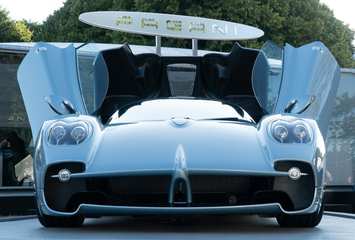 For those interested in experiencing this new era of Lotus performance firsthand, exploring the specifications and availability of the upcoming Lotus Eletre hybrid and its future iterations is the essential next step. Engaging with authorized Lotus dealerships for test drives and pre-order inquiries will provide invaluable insights into this exciting chapter for the iconic British marque.