
The Definitive Ranking of the Best Car Rental Companies in the United States – 2026 Edition
In the ever-evolving landscape of American travel, the best car rental companies in the United States are more than just providers of transportation; they are partners in adventure, business efficiency, and seamless transitions. Navigating the complexities of the U.S. market, which ranges from international conglomerates to regional innovators, demands a discerning eye. With road trips across diverse geographies becoming increasingly popular, corporate mobility solutions tightening their belts, and the premium experience taking precedence, the choice of rental provider has never been more critical.
As an industry veteran who has navigated the shifts in this sector for over a decade, I can attest that the criteria for what constitutes the “best” have become sharper. It’s no longer just about fleet size or price; it’s about innovation, sustainability, and the depth of customer loyalty. In 2026, we are witnessing a significant divergence among the major players, driven by their ability to integrate digital technologies, offer personalized mobility solutions, and adapt to the stringent regulatory environment of American states.
This comprehensive analysis moves beyond glossy advertisements to delve into the hard data: awards, customer satisfaction scores, innovation milestones, and market presence. As we scrutinize the offerings of these established giants, we aim to provide travelers with a clear roadmap to choosing the most reliable and rewarding partner for their journey, whether it be a weekend escape to the desert or a critical business engagement in New York City.
Navigating the Road Ahead: Industry Dynamics in 2026
Before dissecting the rankings, it is essential to understand the forces shaping the car rental industry in the United States. The landscape has been irrevocably altered by several transformative trends that began in the early 2020s and have reached maturity in the middle of the decade.
The Digital Shift: Mobility as a Service (MaaS)
The most significant paradigm shift has been the transition from a model based on simply renting a physical vehicle to an ecosystem of MaaS (Mobility as a Service). Customers now expect seamless integration of services. This means they demand the ability to book not just a car, but parking, fuel, charging, and even public transport options through a single digital interface.
Impact on Rankings: Companies that have invested heavily in app development, artificial intelligence (AI)-driven personalized pricing, and predictive maintenance for their fleets are increasingly pulling ahead. Those relying on legacy systems are falling behind in terms of user experience and efficiency.
Competitive Landscape: The market now sees traditional rental giants competing with tech companies offering flexible subscription models and short-term rentals that blur the line between car sharing and car ownership.
The Demand for Premium Experiences
While value is always a consideration, the prevailing trend in 2026 is the “premiumization” of travel. This applies to both business and leisure segments.
Business Travelers: The corporate segment is increasingly choosing providers that offer high-end sedans, SUVs, and electric vehicles (EVs) to reflect company prestige and ensure employee comfort. Furthermore, they are demanding corporate travel management solutions that integrate booking, expense reporting, and sustainability tracking.
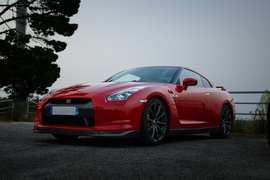
Leisure Travelers: The rise of Instagrammable road trips has led to a surge in demand for luxury and niche vehicles—convertibles, sports cars, and SUVs perfect for long-distance travel. Best luxury rent a car company is no longer an aspirational title but a critical market differentiator.
Sustainability and Electrification
The environmental consciousness of travelers has reached a critical mass. Green car rental is no longer a niche market but a necessity for large-scale providers.
Fleet Transformation: Major companies are investing billions in electric vehicles (EVs). However, the challenge of charging infrastructure in a country as vast as the United States remains a critical factor. The “best” company in 2026 must offer a reliable charging network or partnerships with charging providers to ensure a seamless EV experience.
Carbon Neutrality: Customers are actively seeking companies that demonstrate a commitment to reducing their carbon footprint. Award programs focusing on innovation in sustainable mobility have become highly influential.
The Labor Market and Customer Service
The post-pandemic labor shortages continue to impact the service industry. In car rental, this manifests in longer wait times, understaffed locations, and inconsistent service levels.
The Service Gap: Companies that prioritize employee training, competitive wages, and streamlined operations are able to provide a level of customer service that builds loyalty. Best car rental company is often synonymous with the most hassle-free experience.
The 2026 Ranking: The Top 10 Best Car Rental Companies in the United States
Based on rigorous analysis of industry awards, customer satisfaction reports, market innovation, and strategic positioning, we present the definitive ranking of the best car rental companies in the United States for 2026.
SIXT – The German Innovator Dominates North America
Once primarily known for its strong European presence, SIXT has completed a remarkable transformation in the American market. It has successfully positioned itself not just as a competitor, but as a leader in the premium and technology-driven segment. This ascension is validated by a string of prestigious international awards and a rapid expansion of its footprint in the U.S.
Why SIXT Leads:
Innovation Focus: The company has been aggressively pursuing the Mobility as a Service (MaaS) model. Their app is frequently cited for its ease of use, offering personalized recommendations, digital key technology, and seamless booking of ancillary services like parking and charging. This focus on technology is crucial for the future of the best car rental company.
Premium Fleet Strategy: SIXT offers one of the youngest and most diverse fleets in the industry, with a strong emphasis on German luxury brands such as Mercedes-Benz, BMW, and Audi. This satisfies the growing demand from corporate clients and premium leisure travelers.
Strategic Expansion: By focusing on high-density markets and major business hubs, SIXT has carved out a significant share, often positioning itself as the premier alternative to traditional American brands.

Awards and Recognition (2024-2025):
While SIXT’s most recent major awards often stem from the 2024/2025 award cycles (as these are the most recent full-year statistics available), their continued investment and industry leadership solidify their 2026 position.
Wherever Awards: Winner of the Wherever Family-Friendly Rental Car Company (multiple years), highlighting their appeal to families.
Business Traveler Awards: Consistently recognized as the World’s Leading Business Car Rental Company and World’s Leading Luxury Car Rental Company, underscoring their quality in the business and premium segments.
Travel + Leisure: A frequent contender in the World’s Best Awards, often securing top positions in the North America section.
USA Today: Voted Nr. 1 in the 2025 USA Today 10Best Readers’ Choice Awards, a powerful indicator of consumer preference.
Seven Stars Luxury Hospitality: Awarded the Best Luxury Rent a Car Company, further validating their position as a premium provider.
SIXT has successfully transcuded the perception of a traditional rental company to become a mobility innovator, a key differentiator in the 2026 market.
Hertz – The Legacy Player Adapts
Hertz is a titan of the American car rental industry, boasting a long history of brand recognition and market presence. While they have faced challenges in recent years, including restructuring and shifts in fleet management, the company remains a formidable player. Their strategy in 2026 focuses on regaining consumer trust through improved fleet diversification and enhanced digital offerings.
Strategy and Market Position:
Fleet Modernization: Hertz has embarked on a multi-billion-dollar fleet modernization program, significantly increasing its share of electric vehicles. They are actively working to alleviate the “range anxiety” issue by integrating charging solutions into their booking platform.
Corporate Partnerships: The company maintains strong relationships with major corporations, offering competitive pricing and robust travel management solutions.
Digital Innovation: Investments in their app and online booking experience aim to streamline the rental process, moving towards a digital-first approach.
Awards and Recognition (2024-2025):
Business Traveler North America: A consistent recipient of their Best Car Rental and Best International Car Rental awards.
Travvy Awards: Recognized for their services in the International and United States categories, solidifying their status as a leading US car rental company.
Enterprise Rent-A-Car – The Customer Service Champion
Enterprise Holdings, parent company of Enterprise Rent-A-Car, National Car Rental, and Alamo Rent A Car, is a behemoth in the domestic market. Enterprise Rent-A-Car distinguishes itself through an unwavering commitment to customer service. They focus on providing convenient, reliable rentals with a strong local presence.
Strategy and Market Position:
Service-First Culture: Enterprise has built its reputation on going the extra mile for customers, often offering pickup services and flexible rental options that are hard to beat. This customer-centric approach is a core part of their brand identity as a best car rental company.

Insurance Replacement: Enterprise is the dominant player in the insurance replacement segment, a crucial driver of revenue and customer acquisition in the U.S. market.