



Lotus’s Electrified Future: A New Era of Hybrid Performance Arrives in the U.S.
By [Your Name/Expert Title] – December 15, 2025
For enthusiasts who appreciate the visceral thrill of performance b
lended with a keen eye on evolving automotive technology, the name Lotus has always conjured images of lightweight agility and pure driving exhilaration. However, as the automotive landscape rapidly transforms, so too must the legends. After a decade of observing the intricate dance between electrification and traditional internal combustion, I can confidently say that Lotus is not merely adapting to the future; it is actively shaping it. The upcoming launch of their innovative plug-in hybrid (PHEV) range, with a significant focus on the United States market, marks a pivotal moment for the iconic British marque, heralding a new chapter defined by enhanced performance, expanded accessibility, and a strategic pivot towards hybrid power.
 This shift, initially met with intrigue and perhaps a touch of skepticism, is a pragmatic and forward-thinking response to the complex realities of the global automotive industry. While the allure of pure electric vehicles (EVs) continues to grow, the pace of adoption in certain luxury segments and regions, particularly those with nascent charging infrastructure or varying energy policies, has presented challenges. Lotus, under the astute leadership of Geely, has recognized this and is strategically leveraging plug-in hybrid technology to bridge the gap, offering a compelling alternative that retains the brand’s core DNA while appealing to a broader spectrum of discerning buyers. The Lotus Eletre PHEV is at the forefront of this charge, promising a fusion of raw power and sophisticated efficiency that redefines what a large SUV can be.
The Eletre PHEV: A Supercharged SUV Redefined
The vanguard of this new hybrid offensive is slated to be a plug-in hybrid variant of the already groundbreaking Eletre. This isn’t just another SUV; it’s a statement. Reports confirm a staggering 912 horsepower, a figure that places it firmly in hypercar territory, let alone the SUV segment. This immense power, married with Lotus’s legendary chassis tuning, promises an unparalleled driving experience. Imagine the effortless acceleration and commanding road presence, now augmented by the ability to traverse significant distances on electric power alone, significantly reducing emissions for city driving and offering a quieter, more refined experience when desired. This dual-nature approach is precisely what discerning luxury consumers are increasingly seeking.
The Eletre PHEV’s technical specifications are designed to impress. Beyond the headline-grabbing horsepower, expect advanced air suspension and active stabilizers, hallmarks of Lotus engineering that ensure “ultimate handling” and a ride quality that defies the vehicle’s size and power. This commitment to dynamic prowess is crucial; it ensures that even with the added complexity of a hybrid powertrain, the Eletre remains unmistakably a Lotus. The integration of a 900V electrical architecture, a feature often associated with high-performance EVs, is particularly noteworthy. Lotus’s “Hyper Hybrid” technology aims to deliver charging speeds akin to a battery swap, a bold claim that, if realized, would significantly mitigate range anxiety and make PHEV ownership remarkably convenient. Furthermore, the ability for the combustion engine to actively contribute to battery charging while on the move offers an additional layer of flexibility, a pragmatic solution for long journeys where charging infrastructure may be scarce. While the specific combustion engine powering this marvel remains under wraps, it’s highly probable that a potent, turbocharged four-cylinder unit will be employed, optimized for both performance and efficiency.
Strategic Expansion: Beyond the Eletre
The Eletre PHEV is merely the opening act. Lotus has confirmed plans to introduce three distinct PHEV models, signaling a comprehensive strategy to capture a larger share of the premium and luxury automotive market. Following the Eletre, a completely new, smaller SUV, tentatively codenamed “Vision X,” is slated for a 2027 debut. This move addresses a critical gap in the market, catering to buyers who desire the Lotus driving experience in a more compact, versatile package. The expansion of the PHEV lineup is a deliberate strategy to broaden the brand’s appeal, particularly in regions with slower EV adoption rates. This includes important markets like Italy and Spain, where traditional automotive preferences often run deep, as well as emerging luxury markets like Saudi Arabia.
This expansion into PHEVs is not solely about consumer choice; it’s also a shrewd business maneuver. As a Geely-owned entity, Lotus can strategically navigate international trade policies. The EU’s imposing tariffs on EVs manufactured in China present a significant financial hurdle. By focusing on hybrid models, which often have different tariff classifications or can be strategically manufactured, Lotus can mitigate these costs, making its vehicles more competitive in European markets and, by extension, globally. This foresight demonstrates a maturity in their business strategy, balancing ambitious product development with sound economic principles.
The Hybrid Advantage: A Luxury Trend Embraced
This shift, initially met with intrigue and perhaps a touch of skepticism, is a pragmatic and forward-thinking response to the complex realities of the global automotive industry. While the allure of pure electric vehicles (EVs) continues to grow, the pace of adoption in certain luxury segments and regions, particularly those with nascent charging infrastructure or varying energy policies, has presented challenges. Lotus, under the astute leadership of Geely, has recognized this and is strategically leveraging plug-in hybrid technology to bridge the gap, offering a compelling alternative that retains the brand’s core DNA while appealing to a broader spectrum of discerning buyers. The Lotus Eletre PHEV is at the forefront of this charge, promising a fusion of raw power and sophisticated efficiency that redefines what a large SUV can be.
The Eletre PHEV: A Supercharged SUV Redefined
The vanguard of this new hybrid offensive is slated to be a plug-in hybrid variant of the already groundbreaking Eletre. This isn’t just another SUV; it’s a statement. Reports confirm a staggering 912 horsepower, a figure that places it firmly in hypercar territory, let alone the SUV segment. This immense power, married with Lotus’s legendary chassis tuning, promises an unparalleled driving experience. Imagine the effortless acceleration and commanding road presence, now augmented by the ability to traverse significant distances on electric power alone, significantly reducing emissions for city driving and offering a quieter, more refined experience when desired. This dual-nature approach is precisely what discerning luxury consumers are increasingly seeking.
The Eletre PHEV’s technical specifications are designed to impress. Beyond the headline-grabbing horsepower, expect advanced air suspension and active stabilizers, hallmarks of Lotus engineering that ensure “ultimate handling” and a ride quality that defies the vehicle’s size and power. This commitment to dynamic prowess is crucial; it ensures that even with the added complexity of a hybrid powertrain, the Eletre remains unmistakably a Lotus. The integration of a 900V electrical architecture, a feature often associated with high-performance EVs, is particularly noteworthy. Lotus’s “Hyper Hybrid” technology aims to deliver charging speeds akin to a battery swap, a bold claim that, if realized, would significantly mitigate range anxiety and make PHEV ownership remarkably convenient. Furthermore, the ability for the combustion engine to actively contribute to battery charging while on the move offers an additional layer of flexibility, a pragmatic solution for long journeys where charging infrastructure may be scarce. While the specific combustion engine powering this marvel remains under wraps, it’s highly probable that a potent, turbocharged four-cylinder unit will be employed, optimized for both performance and efficiency.
Strategic Expansion: Beyond the Eletre
The Eletre PHEV is merely the opening act. Lotus has confirmed plans to introduce three distinct PHEV models, signaling a comprehensive strategy to capture a larger share of the premium and luxury automotive market. Following the Eletre, a completely new, smaller SUV, tentatively codenamed “Vision X,” is slated for a 2027 debut. This move addresses a critical gap in the market, catering to buyers who desire the Lotus driving experience in a more compact, versatile package. The expansion of the PHEV lineup is a deliberate strategy to broaden the brand’s appeal, particularly in regions with slower EV adoption rates. This includes important markets like Italy and Spain, where traditional automotive preferences often run deep, as well as emerging luxury markets like Saudi Arabia.
This expansion into PHEVs is not solely about consumer choice; it’s also a shrewd business maneuver. As a Geely-owned entity, Lotus can strategically navigate international trade policies. The EU’s imposing tariffs on EVs manufactured in China present a significant financial hurdle. By focusing on hybrid models, which often have different tariff classifications or can be strategically manufactured, Lotus can mitigate these costs, making its vehicles more competitive in European markets and, by extension, globally. This foresight demonstrates a maturity in their business strategy, balancing ambitious product development with sound economic principles.
The Hybrid Advantage: A Luxury Trend Embraced
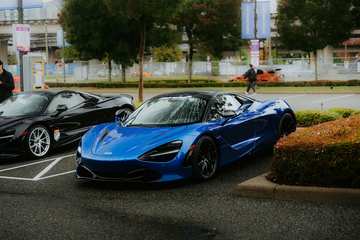 The luxury automotive sector has, in recent years, wholeheartedly embraced the plug-in hybrid. Brands like Bentley and Lamborghini, long synonymous with opulent V8 engines and unadulterated power, have found PHEV technology to be an ideal solution. It allows them to meet increasingly stringent emissions regulations and cater to the growing demand for environmental consciousness without sacrificing the performance characteristics their clientele cherishes. For Bentley, PHEVs constituted 68% of their production in the first nine months of the year, while for Lamborghini, an astonishing 90% of their output was hybrid. This trend underscores the viability and desirability of PHEV technology within the ultra-luxury segment. Lotus is not reinventing the wheel here, but rather intelligently applying a proven strategy to its unique brand proposition.
Navigating Financial Currents and Global Presence
The transition to hybrid powertrains is also a critical step in Lotus’s journey towards sustained profitability. Under Geely’s ownership, the company has made substantial investments in research and development, particularly in electrification and advanced vehicle architectures. However, like many ambitious automotive ventures, this has come with significant financial outlay. The reported operating loss of $357 million for the first nine months of the year highlights the challenges of transforming a legacy brand. The introduction of the new PHEV models is expected to be a significant driver of profitability, bolstering revenue streams and supporting the company’s long-term growth objectives.
The recent shift of Lotus’s European headquarters from the Netherlands to the United Kingdom is another testament to their cost-saving and strategic alignment efforts. This move not only consolidates operations but also strengthens their connection to their heritage. Lotus’s birthplace, Hethel in the UK, remains a vital hub for sports car production. The brand’s leadership sees this homecoming as an opportunity to “retell the brand story and strengthen our reach across Europe and beyond.” This narrative of heritage, innovation, and global ambition is a powerful combination that resonates with enthusiasts and potential customers alike. While reports of shifting sports car production to the US have emerged, the re-establishment of their European base in the UK signifies a deep commitment to their European identity and manufacturing capabilities.
The United States Market: A Crucial Frontier
While the initial European launch is a priority, the United States represents a colossal opportunity for Lotus’s new PHEV offerings. The American consumer’s appetite for powerful, stylish SUVs is well-documented, and the Lotus Eletre hybrid SUV is poised to capture significant attention. The blend of supercar performance, advanced technology, and the prestige associated with the Lotus brand is a compelling proposition for the U.S. luxury market. Expect a targeted marketing strategy that emphasizes the Eletre’s unique blend of hypercar performance, cutting-edge hybrid technology, and sophisticated design, appealing to a demographic that values exclusivity and unparalleled driving dynamics. The availability of these Lotus PHEV models in the US will undoubtedly be a game-changer for the brand. For those seeking a truly exceptional driving machine that balances exhilarating performance with a more responsible approach to the road, the arrival of the Lotus Eletre PHEV represents a new dawn.
The Future is Hybrid and Here to Stay
The automotive industry is in a state of perpetual evolution. While the ultimate destination for many manufacturers remains full electrification, the journey is proving to be multifaceted and nuanced. Lotus’s strategic embrace of plug-in hybrid technology, spearheaded by the formidable Eletre PHEV, demonstrates a profound understanding of these dynamics. They are not merely following trends; they are setting them, offering a compelling vision of performance, luxury, and responsibility. The upcoming year promises to be an exciting one for Lotus enthusiasts and for the automotive world at large, as the brand’s electrified future begins to take shape on our roads.
The luxury automotive sector has, in recent years, wholeheartedly embraced the plug-in hybrid. Brands like Bentley and Lamborghini, long synonymous with opulent V8 engines and unadulterated power, have found PHEV technology to be an ideal solution. It allows them to meet increasingly stringent emissions regulations and cater to the growing demand for environmental consciousness without sacrificing the performance characteristics their clientele cherishes. For Bentley, PHEVs constituted 68% of their production in the first nine months of the year, while for Lamborghini, an astonishing 90% of their output was hybrid. This trend underscores the viability and desirability of PHEV technology within the ultra-luxury segment. Lotus is not reinventing the wheel here, but rather intelligently applying a proven strategy to its unique brand proposition.
Navigating Financial Currents and Global Presence
The transition to hybrid powertrains is also a critical step in Lotus’s journey towards sustained profitability. Under Geely’s ownership, the company has made substantial investments in research and development, particularly in electrification and advanced vehicle architectures. However, like many ambitious automotive ventures, this has come with significant financial outlay. The reported operating loss of $357 million for the first nine months of the year highlights the challenges of transforming a legacy brand. The introduction of the new PHEV models is expected to be a significant driver of profitability, bolstering revenue streams and supporting the company’s long-term growth objectives.
The recent shift of Lotus’s European headquarters from the Netherlands to the United Kingdom is another testament to their cost-saving and strategic alignment efforts. This move not only consolidates operations but also strengthens their connection to their heritage. Lotus’s birthplace, Hethel in the UK, remains a vital hub for sports car production. The brand’s leadership sees this homecoming as an opportunity to “retell the brand story and strengthen our reach across Europe and beyond.” This narrative of heritage, innovation, and global ambition is a powerful combination that resonates with enthusiasts and potential customers alike. While reports of shifting sports car production to the US have emerged, the re-establishment of their European base in the UK signifies a deep commitment to their European identity and manufacturing capabilities.
The United States Market: A Crucial Frontier
While the initial European launch is a priority, the United States represents a colossal opportunity for Lotus’s new PHEV offerings. The American consumer’s appetite for powerful, stylish SUVs is well-documented, and the Lotus Eletre hybrid SUV is poised to capture significant attention. The blend of supercar performance, advanced technology, and the prestige associated with the Lotus brand is a compelling proposition for the U.S. luxury market. Expect a targeted marketing strategy that emphasizes the Eletre’s unique blend of hypercar performance, cutting-edge hybrid technology, and sophisticated design, appealing to a demographic that values exclusivity and unparalleled driving dynamics. The availability of these Lotus PHEV models in the US will undoubtedly be a game-changer for the brand. For those seeking a truly exceptional driving machine that balances exhilarating performance with a more responsible approach to the road, the arrival of the Lotus Eletre PHEV represents a new dawn.
The Future is Hybrid and Here to Stay
The automotive industry is in a state of perpetual evolution. While the ultimate destination for many manufacturers remains full electrification, the journey is proving to be multifaceted and nuanced. Lotus’s strategic embrace of plug-in hybrid technology, spearheaded by the formidable Eletre PHEV, demonstrates a profound understanding of these dynamics. They are not merely following trends; they are setting them, offering a compelling vision of performance, luxury, and responsibility. The upcoming year promises to be an exciting one for Lotus enthusiasts and for the automotive world at large, as the brand’s electrified future begins to take shape on our roads.
 For those eager to experience this revolutionary fusion of power and efficiency firsthand, staying informed about the official launch dates and specifications for the Lotus Eletre hybrid in the US is paramount. As the automotive landscape continues its rapid transformation, embracing innovation that aligns with both performance desires and evolving environmental considerations is key. Discovering more about the Lotus Eletre hybrid price and availability in your local market will be the next logical step for those ready to lead the charge into this exciting new era of automotive excellence.