
Volkswagen Golf GTE: The Enthusiast’s Company Car Choice for the Modern Driver
For a decade now, the automotive landscape has been in a state of dynamic flux, driven by technological advancements, evolving consumer demands, and the ever-present push towards efficiency. As an industry observer with ten years of boots-on-the-ground experience, I’ve witnessed firsthand the seismic shifts influencing how we perceive and acquire vehicles. One of the most significant trends impacting the everyday driver, particularly those in the corporate sector, is the rise of company car schemes and salary sacrifice programs. These aren’t just administrative conveniences; they represent a fundamental re-evaluation of vehicle ownership and a potent tool for making desirable, performance-oriented vehicles accessible to a broader audience.
This evolution has brought models like the Volkswagen Golf GTE into sharp focus. It’s a vehicle that encapsulates many of the contemporary priorities: environmental consciousness, cutting-edge technology, and, crucially for many, cost-effectiveness. Yet, it also aims to satisfy a persistent desire for driving enjoyment, a trait often perceived as mutually exclusive with eco-friendly powertrains. My extended tenure with the Golf GTE, covering thousands of miles across diverse conditions, has allowed me to thoroughly explore its capabilities and truly assess its place in the modern motoring ecosystem.
Navigating the Corporate Car Landscape: Value and Viability
The escalating prices of new vehicles have made traditional outright purchase or personal contract purchase (PCP) agreements less appealing for many. This is where employer-provided schemes step in. Salary sacrifice, in particular, has emerged as a financially astute strategy. By deducting the monthly car payment from gross salary, individuals benefit from reduced income tax and National Insurance contributions. While the absence of outright ownership and the presence of Benefit-in-Kind (BIK) tax are undeniable considerations, the overall financial advantage, especially when compared to conventional financing or leasing, can be substantial. It’s no exaggeration to state that this avenue has become a primary channel for new car sales in many markets, driving manufacturers to tailor their offerings accordingly.
The electric vehicle (EV) revolution has, of course, been a major catalyst. With BIK tax rates often hovering around a mere 3% for zero-emission vehicles, EVs present an almost irresistible proposition for company car users. However, not everyone is ready or able to make the full leap to electric. This is where plug-in hybrid electric vehicles (PHEVs) like the Golf GTE carve out a critical niche. Offering the potential for significant electric-only range coupled with the flexibility of a traditional internal combustion engine, PHEVs can present remarkably low official emissions figures and seemingly fantastical official fuel economy ratings – figures that, at first glance, appear to be typographical errors but are indeed indicative of their advanced powertrains.
The Golf GTE: A Balanced Proposition for the Driving Enthusiast
Among the prominent PHEVs, the Volkswagen Golf GTE has consistently stood out. For drivers who appreciate the inherent practicality and dynamic prowess of a hatchback and have a discerning eye for performance, the Golf has always been a benchmark. The GTE variant, in particular, presents a compelling argument. It boasts a combined output of 268 brake horsepower (bhp), capable of propelling it from 0 to 62 miles per hour in a brisk 6.6 seconds. This performance figure is remarkably close to its petrol-only sibling, the Golf GTI, which produces slightly less power but, due to its lighter weight, achieves the sprint in an even quicker 5.9 seconds.
Herein lies the crucial differentiator for company car users and those seeking maximum financial advantage. While the GTI might be the purist’s choice for outright driving dynamics, its BIK tax bracket is considerably higher. The GTE, however, often falls into a much more tax-efficient category. My own experience, and that of many colleagues, confirms that the monthly BIK tax liability for a GTE can be significantly lower than for a comparable GTI. This substantial annual saving, often amounting to over a thousand pounds, can be the deciding factor for many, transforming a potential compromise into a shrewd financial decision.
It’s important to clarify that the GTE is not merely a GTI with an added electric motor. While it shares the performance hatchback ethos, it occupies a distinct space. It offers a more potent and engaging driving experience than its less performance-oriented PHEV counterpart, the Golf eHybrid, which shares the same battery capacity but produces a more modest 201 bhp. The core question I set out to answer during my extensive tenure with the GTE was whether its significant cost savings, combined with its spirited (though not outright “hot hatch”) performance, could truly resonate with a car enthusiast.
Powertrain and Performance: A Symbiotic Relationship
At the heart of the Golf GTE lies a sophisticated plug-in hybrid powertrain. This system artfully combines a 1.5-litre turbocharged four-cylinder petrol engine, producing 160 bhp, with a 108 bhp electric motor. Together, they deliver a potent 268 bhp to the front wheels, managed by a slick six-speed dual-clutch automatic transmission (DSG).
The battery pack is a substantial 19.7 kilowatt-hour (kWh) unit, granting the GTE an impressive official electric-only range of up to 81 miles. This figure significantly surpasses that of many competitors, including the Mercedes-Benz A250e, which typically offers around 44 miles. This extended electric range is a game-changer for daily commuting, allowing for a considerable portion of journeys to be completed on zero-emission power, drastically reducing running costs and environmental impact.

However, the inherent nature of a PHEV necessitates a dual approach to refuelling: charging the battery and filling the fuel tank. For those, like myself, without access to home charging facilities, this presents a unique challenge. The viability of the GTE as a practical proposition for such individuals, and whether the reduced running costs truly compensate for the added inconvenience, becomes a central investigation. The GTE’s compatibility with DC rapid chargers, a feature present in later iterations, significantly alleviates this concern, offering a much-needed boost for those relying on public infrastructure.
Design and Interior: Refinement Meets Functionality
Visually, the Golf GTE strikes a compelling balance, bridging the gap between the standard Golf and the sportier GTI. It adopts the aggressive front-end design common to both the GTE and GTI, featuring distinctive LED daytime running lights. However, the GTI typically sits lower to the ground, benefits from unique wheel designs, and proudly displays its dual exhaust outlets. The GTE, conversely, shares the standard Golf’s ride height, and its exhaust system is discreetly integrated and largely hidden from view.
The aesthetics of the Mk8.5 Golf generation, particularly its purposeful stance on the road, are undeniable. While not a hardcore hot hatch, the GTE possesses a visual dynamism that belies its PHEV classification. Opting for a vibrant colour like the Crystal Ice Blue paint (£1375 option) further enhances its appeal, though the illuminated badge option might prove divisive among traditionalists.
Step inside, and the GTE adheres to the familiar Golf interior philosophy. A prominent 12.9-inch central touchscreen command the dashboard, with physical controls largely confined to the multi-function steering wheel. Gloss black accents are generously applied throughout the cabin. Standard features include wireless smartphone charging. The seats offer a degree of sportiness, upholstered in a distinctive Jacara checked cloth—a fabric reminiscent of the GTI’s tartan but distinguished by blue and white detailing instead of red and black. Comfort levels are, I can attest, exceptionally high, making it a pleasant place to spend extended periods.
The primary drawback within the cabin, a direct consequence of the substantial battery pack, is the compromised boot space. At just 273 litres, it’s significantly less than the 381 litres offered by a standard Golf. This reduction can indeed prove problematic for those with active lifestyles or who frequently transport larger items.
While my initial time behind the wheel was brief, early impressions were overwhelmingly positive. Having recently driven the new GTI, I can confirm that while the GTE may not possess the same level of razor-sharp focus, its underlying Golf DNA shines through. The steering is commendably well-weighted and responsive, the handling precise and direct, and the chassis exhibits sufficient stiffness to provide engaging cornering capabilities. For a car that offers such significant financial advantages through company car schemes, it delivers a surprisingly rewarding driving experience.
Real-World Experimentation: Unlocking the PHEV Potential
My fascination with the practical application of technology, particularly in the automotive sphere, led me to embark on a series of real-world experiments with the Golf GTE. The temptation to delve into the car’s extensive menu systems, especially with its touchscreen-dominated interface, was irresistible. While some mandatory safety systems, such as lane keeping assist and speed limit warnings, proved overly intrusive and required deactivation upon each start-up – a persistent annoyance – the ability to personalize the driving experience was a significant draw.
I meticulously configured my preferred drive mode: selecting the “Sport” setting for the drivetrain to access the full performance potential, while opting for “Comfort” for all other dynamic elements, including the sophisticated 15-way adjustable Dynamic Chassis Control adaptive dampers. This allowed for a nuanced blend of responsiveness and ride compliance.
The real challenge, however, lay in optimizing the powertrain for my specific driving needs, particularly given my lack of home charging. I undertook a series of three 130-mile round trips over four days. My initial strategy was to conserve the electric charge across these journeys, recognizing that without the ability to charge overnight, a careful allocation of the 60-mile indicated electric range was paramount.
On the first leg of my commute, a mere five miles in, I was surprised to find the petrol engine had yet to engage. It dawned on me that the GTE had defaulted to “E-mode,” which prioritizes electric propulsion until the battery is depleted. A quick manual selection of “Hybrid” mode brought the engine to life, and I continued, albeit slightly chagrined by my oversight. Upon arrival at my destination, 65 miles later, I was alarmed to discover I had consumed half of the available electric range. This necessitated a strategic rethink.
Before the return journey, I delved deeper into the settings and discovered the “manual control” function, allowing me to specify a desired remaining battery charge upon arrival. I allocated 20% of the battery capacity, expecting the system to intelligently distribute this across the entire journey. To my initial frustration, this did not materialize as anticipated. The electric range was depleted within the first 20 miles, leaving the petrol engine to cover the remaining 55 miles. This taught me a valuable lesson: the car requires explicit navigational input to effectively manage its energy resources over longer distances.
For the subsequent attempt, after recharging the battery, I again set the 20% limit but this time diligently entered my destination into the GTE’s native mapping system, eschewing my usual reliance on Android Auto. This approach, I was informed, should prompt the system to optimize energy deployment. Yet, remarkably, the outcome was largely the same. Within approximately 20 miles, the electric charge was largely exhausted. Patience, I reminded myself, is key to understanding complex technological systems.
Through repeated experimentation over the following days, and travelling just under 400 miles in total, I achieved an astonishing average fuel economy of 77 miles per gallon (mpg). This figure, while impressive, prompted a comparative analysis. Over the weekend, running solely on the 1.5-litre petrol engine, I recorded an average of 52 mpg. This demonstrated the remarkable efficiency of the hybrid system, even when starting with a depleted battery, effectively leveraging regenerative braking to recoup energy. The critical question then became: does the effort of charging the battery weekly and meticulously configuring the system justify the additional 25 mpg? For me, unequivocally, yes.
While charging at public stations is undoubtedly more expensive than home charging, the GTE’s true efficiency lies in the optimal synergy between its electric and petrol powertrains. As I become more familiar with the system, I anticipate the task of managing these power sources will become even more seamless.
Engaging the Driver: More Than Just a Commuter Car
The Golf GTE has, thus far, proven to be an exceptionally user-friendly and comfortable companion. Its impressive fuel economy and, in my estimation, its stylish appearance make a strong case for its practicality. The primary criticism I’ve encountered, from both fellow enthusiasts and within the automotive press, is that the GTE might possess the “look” of a sporty car but lacks the genuine driving engagement to match. Some reviewers have noted that it “doesn’t quite excite in the way its badge might suggest” and that the “purer GTI is more attractive to the driving enthusiast.”
I understand this perspective. However, I believe it’s crucial to consider the GTE from a broader viewpoint: is it engaging enough for the average driver who also appreciates spirited driving? To test this theory, I began incorporating more challenging routes into my commutes, favouring scenic A-roads and B-roads over the monotonous M3 motorway. And the answer is a resounding yes. While it doesn’t replicate the tactile connection through the steering wheel of a GTI, nor the smooth, creamy delivery of its EA888 engine, and the inherent weight of the electrical components is discernible, there are genuine thrills to be found.
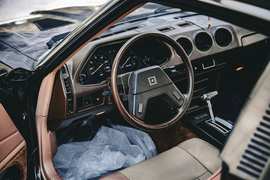
The instantaneous torque delivery from the electric motor provides a delightful surge of acceleration out of tight bends, and when the petrol engine seamlessly integrates, the car pulls with impressive vigour. The steering instills confidence with its appropriate weighting and accuracy, grip levels are substantial, and body roll is effectively controlled. The GTE doesn’t relentlessly urge you to push the limits, but it responds with enthusiasm and precision when you decide to increase the pace. Ultimately, a true enthusiast’s car is one that inspires you to drive, even when there’s no specific need. While I’m not yet waking up on Sunday mornings with an unquenchable thirst for a GTE blast, I find myself frequently opting for the slightly longer, more engaging routes home – a clear indication of its inherent appeal.
Hatchback Resilience in an SUV World
The gradual decline in hatchback popularity is a trend I lament. The dominance of SUVs, now accounting for nearly 60% of new car sales in the UK, has fundamentally reshaped the automotive landscape. While I appreciate the utility of SUVs – their spaciousness, elevated driving position, and substantial battery or fuel capacity – my extended experience with the Volkswagen Golf GTE has reaffirmed my preference for the hatchback form factor. During my months with the GTE, accumulating nearly 2000 miles, I’ve come to realize its remarkable versatility.
The GTE is a car that can, quite literally, do it all. While there were rare occasions necessitating a larger vehicle, such as transporting friends and their gear to a festival, for the vast majority of my needs, the Golf proved more than adequate. Its ability to adapt to various tasks has been a revelation.
Consider, for example, a recent weekend dedicated to clearing out household items. The GTE, with its rear seats folded down, swallowed a television, its stand, copious amounts of clothing, and assorted clutter, utilizing its full 1162 litres of cargo capacity. Even with this load, there remained ample comfortable space for my wife and I in the front. Later that week, a trip to collect a new, sizeable 55-inch television presented another test. With the rear seats again folded, and the front seats adjusted forward, the television fit snugly, albeit with a degree of careful maneuvering. This adaptability, a hallmark of a well-conceived hatchback, is a significant advantage.
Numerous long-distance journeys, exceeding 200 miles round trip, were dispatched by the Golf with effortless grace and remarkable economy, averaging 49 mpg. Even a trip to Bristol, requiring accommodation for five occupants and their luggage, was managed comfortably, with rear passengers reporting no significant discomfort. And for a recent wedding and subsequent holiday abroad, where luggage capacity was paramount, the GTE once again proved its mettle, simplifying the packing process.
Across all these varied scenarios, I never found myself wishing for a larger vehicle. This, in my opinion, is the highest praise one can bestow upon a hatchback. The Golf’s compact 4289mm footprint made parking a breeze, its intuitive infotainment system kept us entertained, and its sporty chassis tuning ensured an engaging drive, irrespective of the distance. While I do lament the slightly reduced boot capacity and the somewhat drab interior colour palette, these are minor quibbles in the face of the car’s overall competence. The Golf GTE remains a truly accomplished vehicle, offering a compelling alternative to the ubiquitous SUV. Whether I would opt for the GTE variant specifically, in future, remains a question I will answer once it departs our fleet.
Final Verdict: A Calculated Compromise for the Savvy Driver
A recent inquiry from a reader, Rob Lightbody, owning a 2017 Golf GTI, prompts a crucial final evaluation: “As the owner of a 2017 Golf GTI, I was wondering if you think you’d be better off in the GTI version instead of the GTE?” Rob rightly points out the GTI’s larger boot capacity and the absence of bulky charging cables, alongside a respectable real-world fuel economy of over 40 mpg on longer runs.
This is a pertinent question, especially considering the GTI’s list price, which is only marginally higher than that of the GTE. At first glance, the more focused performance variant might seem the obvious choice for an enthusiast. However, my extensive experience with the plug-in hybrid Golf suggests the decision is far from straightforward.
Visually, the GTE remains a handsome vehicle. Its aggressive front-end design is particularly appealing, and the Crystal Ice Blue paint option, coupled with the black roof, creates a sophisticated aesthetic. The hidden exhausts are a minor disappointment, and the option to disable the illuminated badges would be welcomed.
The interior, however, is where the GTE truly excels in terms of comfort. It has been, by some margin, the most comfortable car I’ve driven this year, largely attributable to its deeply supportive, bolstered seats. Long journeys were invariably fatigue-free. The 12.9-inch infotainment screen, while perhaps visually striking, proved responsive, sharp, and intuitive to use. The touch-sensitive controls, particularly for the sunroof, occasionally lacked immediate responsiveness, which was a minor frustration. The cabin itself, however, suffered from a rather sombre colour scheme, dominated by greys, and the quality of some of the plastic trim felt less premium than expected.
Rob’s point regarding storage is valid. The GTE’s modest 273-litre boot capacity, exacerbated by the lack of a dedicated stowage solution for the charging cables, becomes more apparent on longer trips. The GTI, benefiting from the absence of a 19.4 kWh battery, offers an additional 100 litres of space. This difference is most keenly felt when packing for extended holidays, where the GTE’s boot can accommodate perhaps one large suitcase or two weekend bags at most.
Crucially, for a car positioned with sporting aspirations, the GTE delivers genuine driving enjoyment. While it may not possess the outright poise of the GTI, its confidence-inspiring grip, well-engineered chassis, and responsive steering consistently encouraged me to explore more engaging B-road routes. The additional torque from the electric motor, when deployed effectively, transforms the GTE into a potent cornering machine.
Rob’s final point, concerning fuel economy, is of paramount importance. As someone without home charging facilities, I fall outside the ideal user profile for a PHEV. Public charging costs can be substantial. While my best real-world electric range of 60 miles did boost my average MPG to an impressive 77 mpg, the cost per mile on public chargers averaged 19 pence – higher than running solely on petrol, which yielded 12 pence per mile. Consequently, I found myself more often than not running the GTE on its petrol engine, achieving an overall average of 46.7 mpg, a figure not dramatically dissimilar to the “over 40 mpg” Rob reports in his GTI. This disparity is more a reflection of the high cost of public charging infrastructure than an indictment of the GTE’s PHEV technology itself. A fully self-charging hybrid powertrain for the Golf would, in my view, offer a more compelling proposition, and Volkswagen’s rumoured exploration of such a system for the Golf lineup is certainly worth monitoring.
Returning to Rob’s original question: would I be better off in a GTI? If financial considerations were secondary and the sole pursuit was the ultimate driving experience, then yes, the GTI would likely be my preference. However, for a company car user presented with the choice, the substantial annual BIK savings offered by the GTE – potentially thousands of pounds – become an incredibly persuasive argument.
While not possessing the same level of outright refinement as the GTI, the Golf GTE remains a thoroughly accomplished and genuinely fun-to-drive vehicle. It represents a pragmatic and intelligently conceived solution for the modern driver who refuses to compromise entirely on driving pleasure, even in the face of economic and environmental considerations.
For those navigating the complexities of company car choices or exploring cost-effective, high-performance driving solutions, the Volkswagen Golf GTE presents a compelling case. Its unique blend of efficiency, technology, and engaging dynamics makes it a standout option.
To discover how the Volkswagen Golf GTE, or other performance-oriented company car options, can fit your personal and professional driving needs, we invite you to consult with a specialist fleet manager or a trusted automotive advisor today. Embark on a journey to find the perfect vehicle that aligns with your lifestyle and financial objectives.