



Renault Filante Concept Redefines Electric Vehicle Range: A Glimpse into the Future of Sustainable Mobility
For a decade now, I’ve navigated the complex and ever-evolving landscape of the automoti
ve industry, witnessing firsthand the monumental shifts towards electrification. The promise of electric vehicles (EVs) has always been potent, but widespread adoption has been hampered by a persistent concern: range anxiety. While manufacturers have made impressive strides, the idea of truly long-distance, effortless EV travel, akin to gasoline-powered counterparts, has remained somewhat elusive. That is, until now. Renault’s groundbreaking Filante concept vehicle has just shattered expectations, demonstrating that exceptional electric vehicle range isn’t a distant dream, but a tangible reality, even under demanding real-world conditions.
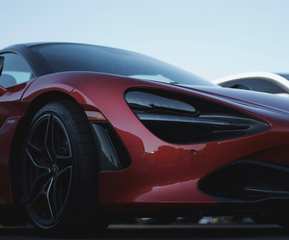 The recent feat achieved by the Filante concept is nothing short of revolutionary. This single-seat EV, a marvel of aerodynamic design and engineering ingenuity, embarked on a 10-hour endurance run, covering an astonishing 626 miles. What sets this achievement apart, however, is not merely the distance, but the context. This wasn’t an optimized, low-speed crawl designed solely to set a record. Instead, the Filante maintained an average speed of 63 miles per hour, mirroring typical motorway cruising speeds. This is the crucial differentiator: proving that substantial EV range on the highway is not just possible, but achievable with current battery technology when applied with meticulous efficiency.
At the heart of this remarkable performance lies a familiar component: the 87kWh battery, the same robust unit found in the production-ready Renault Scenic SUV. This choice is deliberate, showcasing Renault’s commitment to integrating advanced efficiency concepts into vehicles that will eventually reach consumers. The Filante concept, however, leverages this battery to its absolute maximum potential. During its 10-hour journey, the vehicle consumed energy at an impressive rate of 8 miles per kilowatt-hour (mpkWh). Crucially, upon completion of the 626-mile trek, the Filante still retained 11% of its battery charge. Renault estimates this residual energy would have been sufficient to propel the concept an additional 75 miles, pushing the potential total range past the 700-mile mark at sustained highway speeds. This is a significant leap forward in the pursuit of long-range electric cars.
The meticulous planning and execution of this test are as vital as the outcome itself. Conducted at the UTAC test facility in Morocco, the conditions were specifically chosen to simulate realistic driving scenarios. Renault’s engineers deliberately avoided the common practice of fitting excessively large batteries or drastically reducing speeds to inflate range figures. Instead, their objective was to prove the viability of extended electric car range without compromise. The mandate was clear: achieve an average speed exceeding 68 mph and cover more than 1000 kilometers (approximately 620 miles) within a 10-hour period, inclusive of necessary pit stops for driver changes. The Filante not only met but surpassed these ambitious targets, underscoring the efficacy of its design and engineering. This isn’t just about numbers; it’s about demonstrating the potential for reliable EV range for road trips.
The contrast between the Filante concept and its production sibling, the Scenic, offers a compelling insight into the factors driving exceptional electric vehicle efficiency. While the Scenic, equipped with the same 87kWh battery, is rated for up to 379 miles on a full charge, the Filante’s aerodynamic prowess and significantly reduced weight—approximately 1000kg, roughly half that of the SUV—are instrumental in its vastly superior range. This stark difference highlights the critical role of vehicle design in maximizing the benefits of electric propulsion. For prospective buyers considering electric vehicle purchase in the US, understanding these design nuances can be as important as battery capacity.
The endurance run was a collaborative effort, with three skilled drivers accumulating a total of 239 laps around the UTAC circuit, each lap measuring 2.5 miles. This sustained, high-speed driving simulated the demands placed upon a vehicle during extended highway journeys. The data gleaned from this undertaking is invaluable. It goes beyond a simple headline-grabbing statistic; it represents a wealth of information that will directly influence the development of future Renault production models. The findings from the Filante project are poised to elevate the efficiency of upcoming electric vehicles, ensuring they can more effectively meet the practical needs of everyday drivers, even in the most demanding driving environments. This focus on real-world performance is key to building consumer confidence in next-generation EVs.
The Filante concept’s design is a testament to a holistic approach to automotive engineering, blending radical aesthetics with cutting-edge technology. Its futuristic, single-seat configuration is not merely for show; it’s an intentional design choice to optimize aerodynamics and minimize weight. This “aeroplane-inspired” silhouette, as it’s been described, represents a significant departure from conventional vehicle design, prioritizing airflow and reducing drag to an absolute minimum. This meticulous attention to detail is what allows the Filante to achieve such extraordinary EV range per charge. For those researching electric cars for sale with exceptional range, the Filante offers a compelling vision of what’s possible.
Beyond its aerodynamic form, the Filante incorporates other innovative technologies aimed at maximizing energy recuperation and minimizing consumption. While specific details are proprietary, one can infer the integration of advanced regenerative braking systems that capture kinetic energy during deceleration and feed it back into the battery. Furthermore, the vehicle’s lightweight construction likely utilizes advanced composite materials, further contributing to its overall efficiency. These are the types of technological advancements that will define the future of electric mobility. The pursuit of zero-emission vehicles is increasingly focused on not just the powertrain, but the entire vehicle ecosystem.
The recent feat achieved by the Filante concept is nothing short of revolutionary. This single-seat EV, a marvel of aerodynamic design and engineering ingenuity, embarked on a 10-hour endurance run, covering an astonishing 626 miles. What sets this achievement apart, however, is not merely the distance, but the context. This wasn’t an optimized, low-speed crawl designed solely to set a record. Instead, the Filante maintained an average speed of 63 miles per hour, mirroring typical motorway cruising speeds. This is the crucial differentiator: proving that substantial EV range on the highway is not just possible, but achievable with current battery technology when applied with meticulous efficiency.
At the heart of this remarkable performance lies a familiar component: the 87kWh battery, the same robust unit found in the production-ready Renault Scenic SUV. This choice is deliberate, showcasing Renault’s commitment to integrating advanced efficiency concepts into vehicles that will eventually reach consumers. The Filante concept, however, leverages this battery to its absolute maximum potential. During its 10-hour journey, the vehicle consumed energy at an impressive rate of 8 miles per kilowatt-hour (mpkWh). Crucially, upon completion of the 626-mile trek, the Filante still retained 11% of its battery charge. Renault estimates this residual energy would have been sufficient to propel the concept an additional 75 miles, pushing the potential total range past the 700-mile mark at sustained highway speeds. This is a significant leap forward in the pursuit of long-range electric cars.
The meticulous planning and execution of this test are as vital as the outcome itself. Conducted at the UTAC test facility in Morocco, the conditions were specifically chosen to simulate realistic driving scenarios. Renault’s engineers deliberately avoided the common practice of fitting excessively large batteries or drastically reducing speeds to inflate range figures. Instead, their objective was to prove the viability of extended electric car range without compromise. The mandate was clear: achieve an average speed exceeding 68 mph and cover more than 1000 kilometers (approximately 620 miles) within a 10-hour period, inclusive of necessary pit stops for driver changes. The Filante not only met but surpassed these ambitious targets, underscoring the efficacy of its design and engineering. This isn’t just about numbers; it’s about demonstrating the potential for reliable EV range for road trips.
The contrast between the Filante concept and its production sibling, the Scenic, offers a compelling insight into the factors driving exceptional electric vehicle efficiency. While the Scenic, equipped with the same 87kWh battery, is rated for up to 379 miles on a full charge, the Filante’s aerodynamic prowess and significantly reduced weight—approximately 1000kg, roughly half that of the SUV—are instrumental in its vastly superior range. This stark difference highlights the critical role of vehicle design in maximizing the benefits of electric propulsion. For prospective buyers considering electric vehicle purchase in the US, understanding these design nuances can be as important as battery capacity.
The endurance run was a collaborative effort, with three skilled drivers accumulating a total of 239 laps around the UTAC circuit, each lap measuring 2.5 miles. This sustained, high-speed driving simulated the demands placed upon a vehicle during extended highway journeys. The data gleaned from this undertaking is invaluable. It goes beyond a simple headline-grabbing statistic; it represents a wealth of information that will directly influence the development of future Renault production models. The findings from the Filante project are poised to elevate the efficiency of upcoming electric vehicles, ensuring they can more effectively meet the practical needs of everyday drivers, even in the most demanding driving environments. This focus on real-world performance is key to building consumer confidence in next-generation EVs.
The Filante concept’s design is a testament to a holistic approach to automotive engineering, blending radical aesthetics with cutting-edge technology. Its futuristic, single-seat configuration is not merely for show; it’s an intentional design choice to optimize aerodynamics and minimize weight. This “aeroplane-inspired” silhouette, as it’s been described, represents a significant departure from conventional vehicle design, prioritizing airflow and reducing drag to an absolute minimum. This meticulous attention to detail is what allows the Filante to achieve such extraordinary EV range per charge. For those researching electric cars for sale with exceptional range, the Filante offers a compelling vision of what’s possible.
Beyond its aerodynamic form, the Filante incorporates other innovative technologies aimed at maximizing energy recuperation and minimizing consumption. While specific details are proprietary, one can infer the integration of advanced regenerative braking systems that capture kinetic energy during deceleration and feed it back into the battery. Furthermore, the vehicle’s lightweight construction likely utilizes advanced composite materials, further contributing to its overall efficiency. These are the types of technological advancements that will define the future of electric mobility. The pursuit of zero-emission vehicles is increasingly focused on not just the powertrain, but the entire vehicle ecosystem.
 The significance of this achievement for the broader automotive industry cannot be overstated. It provides tangible evidence that the persistent challenges of EV range are being systematically addressed. For consumers in regions like the United States, where long-distance travel is often a necessity, this development offers renewed optimism. The prospect of an electric vehicle capable of traversing hundreds of miles on a single charge, without compromising speed or requiring extensive charging stops, directly tackles the primary barrier to widespread EV adoption. This makes investing in sustainable transportation solutions more attractive than ever before.
Consider the implications for industries that rely on extensive travel, such as logistics and ride-sharing. The ability for electric vans and taxis to cover greater distances between charges translates directly into reduced operational costs and increased efficiency. This could accelerate the transition to electric fleets in urban environments and beyond. For the average commuter, it means greater freedom and flexibility, alleviating the mental burden of constantly monitoring battery levels. The dream of affordable electric vehicles with long range is moving closer to reality.
The information gleaned from the Filante project will undoubtedly trickle down into Renault’s mass-market electric vehicles. We can anticipate seeing advancements in battery management systems, more efficient motor technologies, and further optimization of aerodynamics in future models. This iterative process of innovation, driven by concepts like the Filante, is crucial for the continued progress of electric mobility. It’s a testament to Renault’s commitment to not just participating in the EV revolution, but leading it. This focus on innovative EV technology is what excites industry observers and consumers alike.
For those living in areas where charging infrastructure is still developing, such as in more rural parts of California or the Pacific Northwest, vehicles with exceptional inherent range offer a crucial advantage. The ability to travel further between charging opportunities significantly reduces reliance on a dense charging network, making EVs a more practical option for a wider demographic. This is why the development of long-distance electric SUVs and sedans is so important for the US market.
The automotive industry is in a period of unprecedented transformation. The race to develop more efficient, longer-range EVs is fierce, with manufacturers from around the globe investing heavily in research and development. Renault’s Filante concept is a powerful statement of intent, showcasing their technical prowess and forward-thinking vision. It challenges the status quo and pushes the boundaries of what we believe is possible with electric propulsion. This kind of innovation is what drives progress in the electric vehicle market.
The success of the Filante concept serves as a powerful reminder that the future of personal transportation is electric, and it’s arriving faster than many anticipated. As we move closer to 2025 and beyond, the debate is shifting from if EVs can match the convenience of internal combustion engines to when they will surpass them in every measurable aspect. The Filante’s remarkable demonstration of 600+ mile EV range is a significant stride in that direction.
This accomplishment is not just about a single concept car; it’s about a paradigm shift in how we perceive and utilize electric vehicles. It signifies a move away from the limitations of early EV technology towards a future where electric cars are not only environmentally responsible but also supremely practical and capable of meeting the diverse needs of modern drivers. The implications for industries, individuals, and the planet are profound.
The significance of this achievement for the broader automotive industry cannot be overstated. It provides tangible evidence that the persistent challenges of EV range are being systematically addressed. For consumers in regions like the United States, where long-distance travel is often a necessity, this development offers renewed optimism. The prospect of an electric vehicle capable of traversing hundreds of miles on a single charge, without compromising speed or requiring extensive charging stops, directly tackles the primary barrier to widespread EV adoption. This makes investing in sustainable transportation solutions more attractive than ever before.
Consider the implications for industries that rely on extensive travel, such as logistics and ride-sharing. The ability for electric vans and taxis to cover greater distances between charges translates directly into reduced operational costs and increased efficiency. This could accelerate the transition to electric fleets in urban environments and beyond. For the average commuter, it means greater freedom and flexibility, alleviating the mental burden of constantly monitoring battery levels. The dream of affordable electric vehicles with long range is moving closer to reality.
The information gleaned from the Filante project will undoubtedly trickle down into Renault’s mass-market electric vehicles. We can anticipate seeing advancements in battery management systems, more efficient motor technologies, and further optimization of aerodynamics in future models. This iterative process of innovation, driven by concepts like the Filante, is crucial for the continued progress of electric mobility. It’s a testament to Renault’s commitment to not just participating in the EV revolution, but leading it. This focus on innovative EV technology is what excites industry observers and consumers alike.
For those living in areas where charging infrastructure is still developing, such as in more rural parts of California or the Pacific Northwest, vehicles with exceptional inherent range offer a crucial advantage. The ability to travel further between charging opportunities significantly reduces reliance on a dense charging network, making EVs a more practical option for a wider demographic. This is why the development of long-distance electric SUVs and sedans is so important for the US market.
The automotive industry is in a period of unprecedented transformation. The race to develop more efficient, longer-range EVs is fierce, with manufacturers from around the globe investing heavily in research and development. Renault’s Filante concept is a powerful statement of intent, showcasing their technical prowess and forward-thinking vision. It challenges the status quo and pushes the boundaries of what we believe is possible with electric propulsion. This kind of innovation is what drives progress in the electric vehicle market.
The success of the Filante concept serves as a powerful reminder that the future of personal transportation is electric, and it’s arriving faster than many anticipated. As we move closer to 2025 and beyond, the debate is shifting from if EVs can match the convenience of internal combustion engines to when they will surpass them in every measurable aspect. The Filante’s remarkable demonstration of 600+ mile EV range is a significant stride in that direction.
This accomplishment is not just about a single concept car; it’s about a paradigm shift in how we perceive and utilize electric vehicles. It signifies a move away from the limitations of early EV technology towards a future where electric cars are not only environmentally responsible but also supremely practical and capable of meeting the diverse needs of modern drivers. The implications for industries, individuals, and the planet are profound.
 If you’ve been hesitant to embrace electric mobility due to concerns about range, the Renault Filante concept’s remarkable achievement should give you serious pause for thought. This is more than just a technological showcase; it’s a clear signal of the direction the automotive industry is heading. We invite you to explore the latest advancements in electric vehicle technology and discover how these innovations are making long-distance, sustainable travel more accessible and enjoyable than ever before. Take the next step in your journey towards a cleaner, more efficient future.