



Lotus Unveils Electrifying Hybrid Strategy: A New Era for Performance and Sustainability in the Luxury Automotive Landscape
As an industry veteran with a decade of navigating the intricate current
 s of automotive innovation, I’ve witnessed firsthand the seismic shifts that have reshaped our driving experiences. From the relentless march of electrification to the nuanced integration of hybrid powertrains, the pursuit of performance, efficiency, and sustainability has become the industry’s defining narrative. Now, Lotus, a marque synonymous with legendary handling and a storied motorsport legacy, is poised to dramatically alter the trajectory of its own future and influence the broader luxury automotive segment with its bold new Lotus hybrid SUV strategy. This isn’t merely an announcement; it’s a strategic pivot, a calculated embrace of evolving market demands, and a testament to the enduring allure of British automotive craftsmanship, updated and reimagined for the modern era.
The whispers have coalesced into a roar, and the once-speculative plans are now concrete realities. Lotus is unequivocally committing to a new generation of plug-in hybrid electric vehicles (PHEVs), with the European market slated to welcome these potent machines next year. This announcement follows the highly anticipated global debut of their inaugural PHEV model, signaling a significant departure from their initially envisioned all-electric future. The implications for the luxury car market, particularly for discerning buyers in key regions, are profound.
At the vanguard of this new offensive is a formidable variant of the Eletre, their imposing large SUV. This isn’t just any SUV; this is a 912-horsepower behemoth, a testament to Lotus’s unwavering commitment to exhilarating performance. This Lotus Eletre PHEV is engineered with a sophisticated air suspension system and an active stabilizer, meticulously calibrated to deliver the “ultimate handling” that has become the brand’s hallmark. This dedication to a refined driving dynamic, even within the expansive form of an SUV, sets it apart from many of its contemporaries, promising an experience that transcends mere transportation and delves into the realm of automotive artistry.
The timeline is ambitious, yet achievable. Following its initial market penetration in China during the first quarter of 2026, the European launch is anticipated for autumn of the same year. This staggered rollout allows for meticulous market acclimatization and strategic positioning. The decision to embrace hybrid technology, rather than solely pursuing a pure EV route by their initially projected 2028 deadline, is a pragmatic response to the observed realities of the premium and luxury EV market. While the EV revolution is undeniably underway, its pace of adoption, particularly in certain influential segments and geographical areas, has been more measured than initially predicted.
Lotus CEO, Feng Qingfeng, articulated this strategic evolution with clarity and foresight during a recent earnings call. “The introduction of hybrid models offers more choice for luxury vehicle buyers and will help us expand into broader markets, including regions with slower EV adoption, such as Italy and Spain and Saudi Arabia,” he stated. This statement underscores a keen understanding of global market nuances. It’s not about abandoning electrification, but about intelligently augmenting it. This approach acknowledges that a one-size-fits-all EV strategy may not resonate universally across all luxury segments and locales. By offering a compelling Lotus PHEV option, the brand aims to unlock new customer bases and cater to diverse charging infrastructures and consumer preferences, effectively broadening their market appeal beyond the confines of early EV adopters.
Furthermore, this strategic flexibility offers a significant advantage in navigating complex international trade regulations. As a Geely-owned entity, the decision to introduce PHEVs, particularly those potentially manufactured in regions subject to differing tariff structures, allows Lotus to strategically circumvent potential EU tariffs on Chinese-built EVs. This commercial astuteness, coupled with their engineering prowess, positions them favorably in the competitive global automotive arena.
The appeal of PHEVs in the luxury sector is not a novel phenomenon. Industry titans like Bentley and Lamborghini have already demonstrated the efficacy of this powertrain configuration. These brands, renowned for their opulent interiors and formidable performance, have successfully integrated PHEV technology not as a compromise, but as an enhancement. They’ve managed to reduce emissions and regulatory burdens while retaining the character and visceral thrill of their V8 engines, injecting even greater performance into their already exceptional offerings. The statistics speak for themselves: in the first nine months of the current year, PHEVs constituted a staggering 68% of Bentley’s production and an overwhelming 90% of Lamborghini’s. This widespread adoption by discerning luxury manufacturers validates Lotus’s chosen path and suggests a strong appetite among affluent consumers for this blend of performance and environmental consciousness.
s of automotive innovation, I’ve witnessed firsthand the seismic shifts that have reshaped our driving experiences. From the relentless march of electrification to the nuanced integration of hybrid powertrains, the pursuit of performance, efficiency, and sustainability has become the industry’s defining narrative. Now, Lotus, a marque synonymous with legendary handling and a storied motorsport legacy, is poised to dramatically alter the trajectory of its own future and influence the broader luxury automotive segment with its bold new Lotus hybrid SUV strategy. This isn’t merely an announcement; it’s a strategic pivot, a calculated embrace of evolving market demands, and a testament to the enduring allure of British automotive craftsmanship, updated and reimagined for the modern era.
The whispers have coalesced into a roar, and the once-speculative plans are now concrete realities. Lotus is unequivocally committing to a new generation of plug-in hybrid electric vehicles (PHEVs), with the European market slated to welcome these potent machines next year. This announcement follows the highly anticipated global debut of their inaugural PHEV model, signaling a significant departure from their initially envisioned all-electric future. The implications for the luxury car market, particularly for discerning buyers in key regions, are profound.
At the vanguard of this new offensive is a formidable variant of the Eletre, their imposing large SUV. This isn’t just any SUV; this is a 912-horsepower behemoth, a testament to Lotus’s unwavering commitment to exhilarating performance. This Lotus Eletre PHEV is engineered with a sophisticated air suspension system and an active stabilizer, meticulously calibrated to deliver the “ultimate handling” that has become the brand’s hallmark. This dedication to a refined driving dynamic, even within the expansive form of an SUV, sets it apart from many of its contemporaries, promising an experience that transcends mere transportation and delves into the realm of automotive artistry.
The timeline is ambitious, yet achievable. Following its initial market penetration in China during the first quarter of 2026, the European launch is anticipated for autumn of the same year. This staggered rollout allows for meticulous market acclimatization and strategic positioning. The decision to embrace hybrid technology, rather than solely pursuing a pure EV route by their initially projected 2028 deadline, is a pragmatic response to the observed realities of the premium and luxury EV market. While the EV revolution is undeniably underway, its pace of adoption, particularly in certain influential segments and geographical areas, has been more measured than initially predicted.
Lotus CEO, Feng Qingfeng, articulated this strategic evolution with clarity and foresight during a recent earnings call. “The introduction of hybrid models offers more choice for luxury vehicle buyers and will help us expand into broader markets, including regions with slower EV adoption, such as Italy and Spain and Saudi Arabia,” he stated. This statement underscores a keen understanding of global market nuances. It’s not about abandoning electrification, but about intelligently augmenting it. This approach acknowledges that a one-size-fits-all EV strategy may not resonate universally across all luxury segments and locales. By offering a compelling Lotus PHEV option, the brand aims to unlock new customer bases and cater to diverse charging infrastructures and consumer preferences, effectively broadening their market appeal beyond the confines of early EV adopters.
Furthermore, this strategic flexibility offers a significant advantage in navigating complex international trade regulations. As a Geely-owned entity, the decision to introduce PHEVs, particularly those potentially manufactured in regions subject to differing tariff structures, allows Lotus to strategically circumvent potential EU tariffs on Chinese-built EVs. This commercial astuteness, coupled with their engineering prowess, positions them favorably in the competitive global automotive arena.
The appeal of PHEVs in the luxury sector is not a novel phenomenon. Industry titans like Bentley and Lamborghini have already demonstrated the efficacy of this powertrain configuration. These brands, renowned for their opulent interiors and formidable performance, have successfully integrated PHEV technology not as a compromise, but as an enhancement. They’ve managed to reduce emissions and regulatory burdens while retaining the character and visceral thrill of their V8 engines, injecting even greater performance into their already exceptional offerings. The statistics speak for themselves: in the first nine months of the current year, PHEVs constituted a staggering 68% of Bentley’s production and an overwhelming 90% of Lamborghini’s. This widespread adoption by discerning luxury manufacturers validates Lotus’s chosen path and suggests a strong appetite among affluent consumers for this blend of performance and environmental consciousness.
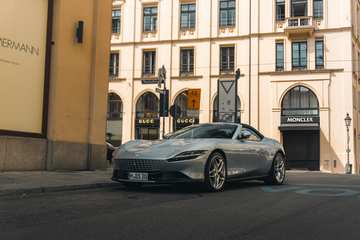 Lotus has further elaborated on its ambition, with plans to introduce not one, but three distinct PHEV models. Beyond the Eletre, a highly anticipated, all-new smaller SUV, tentatively codenamed “Vision X,” is slated for a 2027 release. This will effectively solidify Lotus’s presence in multiple SUV segments, offering a more accessible entry point into the brand’s electrified future. The strategic expansion into a smaller SUV segment acknowledges the significant market demand for more compact, yet still luxurious and performance-oriented, utility vehicles. This move is crucial for capturing a wider demographic of luxury buyers who may find the Eletre’s scale or price point beyond their immediate reach, while still seeking the unique Lotus driving experience.
The core of Lotus’s innovation lies in its “Hyper Hybrid” technology. This sophisticated system boasts a remarkable 900-volt electrical architecture. This advanced voltage system is engineered to facilitate charging speeds that are astonishingly close to those of a battery swap, a revolutionary concept in the realm of passenger vehicles. This significantly mitigates range anxiety and enhances the convenience of electric driving, a critical factor for widespread adoption of any electrified vehicle. Moreover, the combustion engine is not merely a supplementary power source; it’s an active participant in maintaining optimal battery charge, capable of topping up the battery while the vehicle is in motion. While specific details about the combustion engine remain under wraps, it is highly probable that it will be a high-output, turbocharged four-cylinder unit, designed to complement the electric powertrain seamlessly and deliver the exhilarating performance Lotus is known for. The synergy between the electric and internal combustion elements is where the true magic of these Lotus PHEV vehicles will lie, offering a dual nature that caters to both efficiency and unbridled power.
Under the stewardship of Geely, Lotus has been navigating a complex path towards profitability. The company has invested heavily in research and development, aiming to translate its rich heritage and engineering expertise into sustainable financial success. The first nine months of the year saw an operating loss of $357 million, a figure that underscores the significant investment required to modernize the brand and its product portfolio. However, the new PHEV models are strategically positioned to become a significant catalyst for improved profitability. Daxue Wang, the CFO, emphasized this point during the earnings call, highlighting the financial imperative behind this powertrain shift. This financial recalibration is essential for the long-term health and growth of the Lotus brand, ensuring its ability to continue innovating and delivering exceptional vehicles.
The challenges are not solely internal. Wholesale deliveries, which represent shipments to dealerships, experienced a 40% decline in the first nine months of the year, totaling 4612 units. This downturn was partly influenced by external factors, including tariffs imposed by the United States. In the UK, sales saw a 27% reduction by the end of October, with 1222 units sold, reflecting a dip in demand for both the best-selling Eletre and the iconic Emira sports car. These figures underscore the competitive pressures and economic headwinds that the automotive industry, particularly in the luxury segment, is currently facing. The global automotive market is a dynamic ecosystem, and companies must be agile and adaptable to thrive.
In a move that strengthens its European operational base and demonstrates a commitment to its heritage, Lotus has strategically relocated its European headquarters to the United Kingdom from the Netherlands. This decision is part of a broader cost-cutting initiative, aimed at streamlining operations and enhancing efficiency. Furthermore, it signals a renewed focus on reinforcing the brand’s identity and its historic roots. The notion of shifting sports car production to the United States had been circulating, but this recent announcement about the UK headquarters suggests a strong commitment to maintaining its core manufacturing and operational presence within its ancestral homeland. As Feng Qingfeng aptly put it, “Returning to Lotus’s birth place helps us retell the brand story and strengthens our reach across Europe and beyond.” This relocation is more than just an administrative shift; it’s a narrative reinforcement, a tangible reconnection with the spirit of Lotus, aiming to inspire both internal stakeholders and external consumers alike. The strategic repositioning of its European operations is a critical step in optimizing its global footprint and fostering stronger relationships with key markets.
The introduction of these Lotus electric and hybrid vehicles is not just about meeting regulatory requirements or chasing market trends; it’s about redefining what a luxury performance vehicle can be in the 21st century. The blend of electrification, advanced engineering, and the quintessential Lotus driving DNA promises an experience that is both exhilarating and responsible. For those seeking the pinnacle of automotive engineering, a harmonious fusion of exhilarating power, refined luxury, and a commitment to a more sustainable future, Lotus’s new hybrid offering represents an compelling proposition. The journey towards this new era has begun, and the future of luxury performance is undoubtedly being written by brands willing to innovate and adapt.
Lotus has further elaborated on its ambition, with plans to introduce not one, but three distinct PHEV models. Beyond the Eletre, a highly anticipated, all-new smaller SUV, tentatively codenamed “Vision X,” is slated for a 2027 release. This will effectively solidify Lotus’s presence in multiple SUV segments, offering a more accessible entry point into the brand’s electrified future. The strategic expansion into a smaller SUV segment acknowledges the significant market demand for more compact, yet still luxurious and performance-oriented, utility vehicles. This move is crucial for capturing a wider demographic of luxury buyers who may find the Eletre’s scale or price point beyond their immediate reach, while still seeking the unique Lotus driving experience.
The core of Lotus’s innovation lies in its “Hyper Hybrid” technology. This sophisticated system boasts a remarkable 900-volt electrical architecture. This advanced voltage system is engineered to facilitate charging speeds that are astonishingly close to those of a battery swap, a revolutionary concept in the realm of passenger vehicles. This significantly mitigates range anxiety and enhances the convenience of electric driving, a critical factor for widespread adoption of any electrified vehicle. Moreover, the combustion engine is not merely a supplementary power source; it’s an active participant in maintaining optimal battery charge, capable of topping up the battery while the vehicle is in motion. While specific details about the combustion engine remain under wraps, it is highly probable that it will be a high-output, turbocharged four-cylinder unit, designed to complement the electric powertrain seamlessly and deliver the exhilarating performance Lotus is known for. The synergy between the electric and internal combustion elements is where the true magic of these Lotus PHEV vehicles will lie, offering a dual nature that caters to both efficiency and unbridled power.
Under the stewardship of Geely, Lotus has been navigating a complex path towards profitability. The company has invested heavily in research and development, aiming to translate its rich heritage and engineering expertise into sustainable financial success. The first nine months of the year saw an operating loss of $357 million, a figure that underscores the significant investment required to modernize the brand and its product portfolio. However, the new PHEV models are strategically positioned to become a significant catalyst for improved profitability. Daxue Wang, the CFO, emphasized this point during the earnings call, highlighting the financial imperative behind this powertrain shift. This financial recalibration is essential for the long-term health and growth of the Lotus brand, ensuring its ability to continue innovating and delivering exceptional vehicles.
The challenges are not solely internal. Wholesale deliveries, which represent shipments to dealerships, experienced a 40% decline in the first nine months of the year, totaling 4612 units. This downturn was partly influenced by external factors, including tariffs imposed by the United States. In the UK, sales saw a 27% reduction by the end of October, with 1222 units sold, reflecting a dip in demand for both the best-selling Eletre and the iconic Emira sports car. These figures underscore the competitive pressures and economic headwinds that the automotive industry, particularly in the luxury segment, is currently facing. The global automotive market is a dynamic ecosystem, and companies must be agile and adaptable to thrive.
In a move that strengthens its European operational base and demonstrates a commitment to its heritage, Lotus has strategically relocated its European headquarters to the United Kingdom from the Netherlands. This decision is part of a broader cost-cutting initiative, aimed at streamlining operations and enhancing efficiency. Furthermore, it signals a renewed focus on reinforcing the brand’s identity and its historic roots. The notion of shifting sports car production to the United States had been circulating, but this recent announcement about the UK headquarters suggests a strong commitment to maintaining its core manufacturing and operational presence within its ancestral homeland. As Feng Qingfeng aptly put it, “Returning to Lotus’s birth place helps us retell the brand story and strengthens our reach across Europe and beyond.” This relocation is more than just an administrative shift; it’s a narrative reinforcement, a tangible reconnection with the spirit of Lotus, aiming to inspire both internal stakeholders and external consumers alike. The strategic repositioning of its European operations is a critical step in optimizing its global footprint and fostering stronger relationships with key markets.
The introduction of these Lotus electric and hybrid vehicles is not just about meeting regulatory requirements or chasing market trends; it’s about redefining what a luxury performance vehicle can be in the 21st century. The blend of electrification, advanced engineering, and the quintessential Lotus driving DNA promises an experience that is both exhilarating and responsible. For those seeking the pinnacle of automotive engineering, a harmonious fusion of exhilarating power, refined luxury, and a commitment to a more sustainable future, Lotus’s new hybrid offering represents an compelling proposition. The journey towards this new era has begun, and the future of luxury performance is undoubtedly being written by brands willing to innovate and adapt.
 For enthusiasts and discerning buyers alike who are eager to experience the future of performance motoring, this is the moment to explore what Lotus has meticulously crafted. Whether you’re drawn to the electrifying power of the Eletre or the anticipated dynamism of the smaller SUV, the Lotus electric hybrid revolution is poised to redefine your expectations of what a luxury vehicle can and should be. We invite you to delve deeper, explore the specifications, and consider how these groundbreaking models can elevate your driving experience to an unparalleled level.